
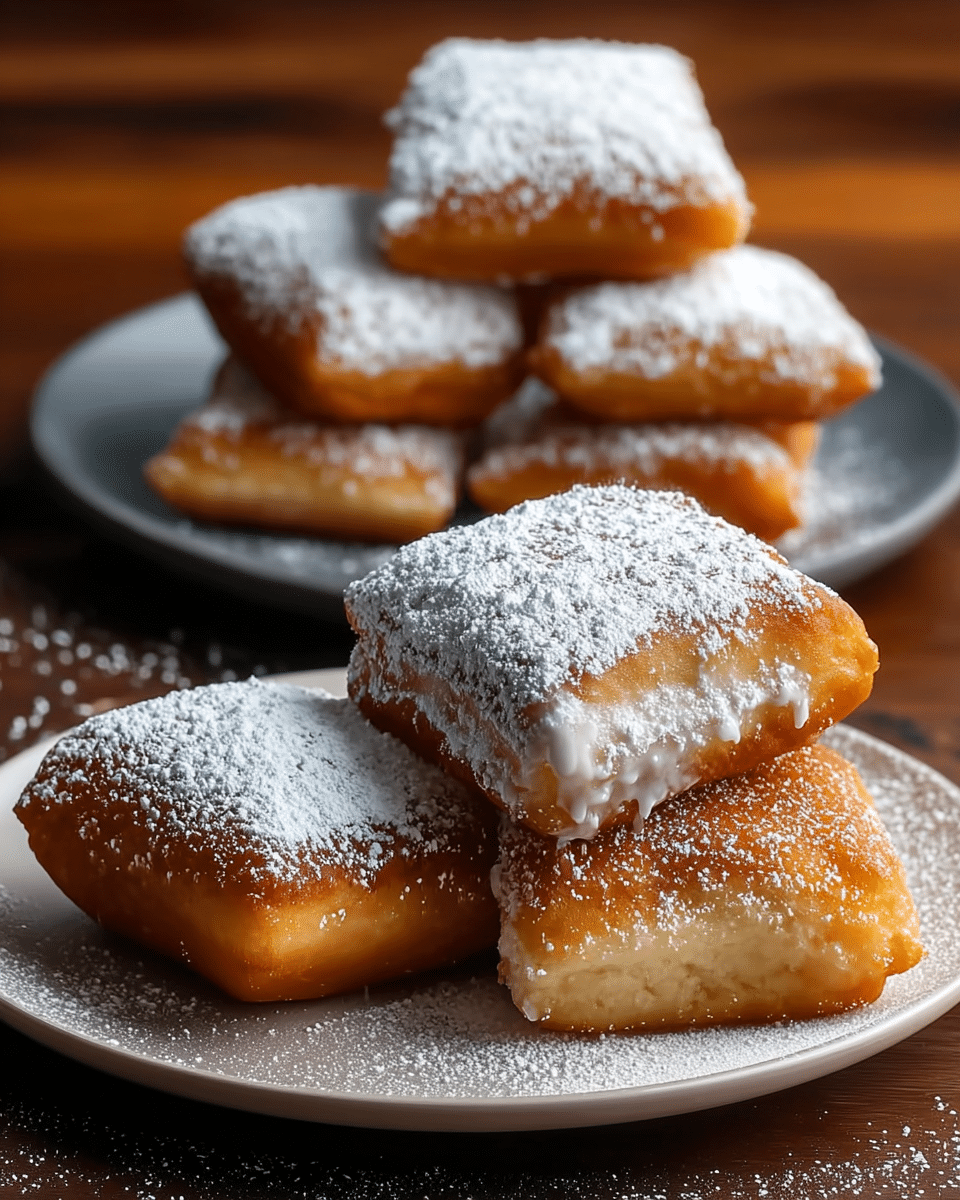
Are you tired of serving the same predictable desserts at your gatherings? Those store-bought cookies just don’t impress anymore, do they? French beignets those heavenly pillows of fried dough dusted with powdered sugar are about to transform your dessert game completely.
Hi, I’m Michael, the heart behind Foodydish! After perfecting these French beignet recipes over countless Sunday mornings and special occasions, I’m thrilled to share these five foolproof variations that will have your family and guests begging for more. As someone who believes desserts should create moments of joy around the table, I’ve tested these recipes until they’re absolutely perfect.
In this guide, you’ll discover everything from traditional New Orleans-style beignets to creative flavor twists, plus expert tips on dough preparation, frying techniques, and beautiful serving suggestions that will make your beignets Instagram-worthy!
Why These French Beignet Recipes Work
● Use simple pantry ingredients most home bakers already have
● Quick 15-minute prep time (plus rising) for authentic taste without the fuss
● Versatile for breakfast treats, afternoon snacks, or elegant desserts
● Freezer-friendly dough that lets you prepare ahead of special occasions
Choosing the Right Ingredients for Perfect French Beignets
Flour Selection for French Beignets
For traditional French beignets, all-purpose flour creates the perfect balance of structure and tenderness. Bread flour will give a chewier texture if that’s your preference, while cake flour produces a lighter, more delicate beignet. The protein content in your flour dramatically affects the final texture, so choose based on whether you prefer pillowy soft or slightly chewy beignets.
Oil Options for French Beignets
The oil you select impacts both flavor and frying quality. Vegetable or canola oil works wonderfully with their neutral taste and high smoke point. For a subtle flavor enhancement, try refined coconut oil. Avoid olive oil as its low smoke point and strong flavor profile isn’t suitable for beignets.
Sweeteners and Flavorings for French Beignets
Traditional beignets rely on granulated sugar in the dough and powdered sugar for dusting. However, honey or maple syrup can add unique flavor dimensions as alternative sweeteners. Vanilla extract is essential for depth, while citrus zest or spices like cinnamon or cardamom can elevate your beignets from delicious to extraordinary.
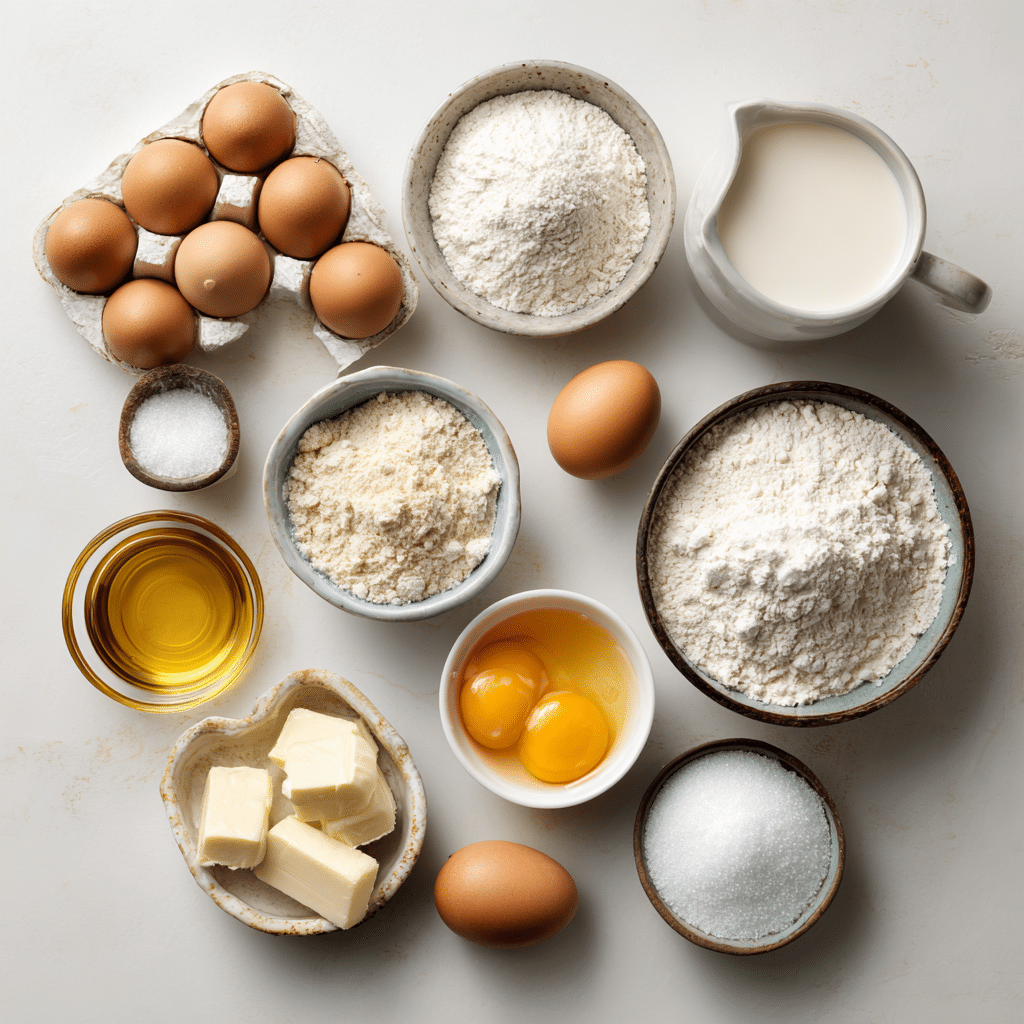
Ingredients & Prep for Classic French Beignets
Essential Dough Components
- ¼ cup warm water (105-110°F)
- 1 packet active dry yeast (2¼ teaspoons)
- ¼ cup granulated sugar
- ½ cup whole milk, scalded and cooled
- 1 large egg, beaten
- 2 tablespoons unsalted butter, melted
- ½ teaspoon vanilla extract
- ¼ teaspoon salt
- 3½ to 4 cups all-purpose flour
- Vegetable oil for frying
- Powdered sugar for dusting
Proofing Essentials for French Beignets
The perfect beignet begins with properly activated yeast. Ensure your water temperature stays between 105-110°F too hot and you’ll kill the yeast, too cool and it won’t activate. The dough should double in size during proofing, which typically takes 1-2 hours in a warm, draft-free environment. For convenience, prepare your dough the night before and allow for slow proofing in the refrigerator.
Flavor Enhancers for French Beignets
Elevate your basic beignet dough with these additions:
- 1 tablespoon orange or lemon zest for citrus brightness
- 1 teaspoon cinnamon or cardamom for aromatic warmth
- 2 tablespoons honey (reduce sugar by 1 tablespoon) for floral notes
- 1 tablespoon espresso powder for depth and complexity
Step-by-Step Cooking Instructions for French Beignets
Pre-Cooking Prep for French Beignets
- In a large bowl, combine warm water, yeast, and 1 tablespoon of sugar. Let stand for 5-10 minutes until foamy.
- Add remaining sugar, cooled milk, egg, melted butter, vanilla, and salt. Whisk until combined.
- Gradually add 3 cups of flour, stirring until a soft, sticky dough forms.
- Turn onto a floured surface and knead for 5-7 minutes, adding remaining flour as needed until dough is smooth and elastic but still slightly tacky.
- Place in an oiled bowl, cover with plastic wrap, and let rise in a warm place for 1-2 hours until doubled.
Cooking Method for French Beignets
- Once risen, punch down dough and turn onto a lightly floured surface.
- Roll to ¼-inch thickness, maintaining an even thickness for consistent cooking.
- Cut into 2-inch squares (traditional shape) or use cookie cutters for fun variations.
- Heat oil to 350°F in a deep, heavy-bottomed pot (Dutch ovens work perfectly).
- Fry 3-4 beignets at a time for 1-2 minutes per side until golden brown.
- Remove with a slotted spoon and drain on paper towels.
Doneness Check for French Beignets
Perfectly cooked beignets should be golden brown on all sides with a fully cooked interior. When tapped, they should sound hollow. If your beignets are browning too quickly but remaining doughy inside, your oil is too hot. If they’re absorbing too much oil and cooking slowly, your oil temperature is too low.
Finishing French Beignets
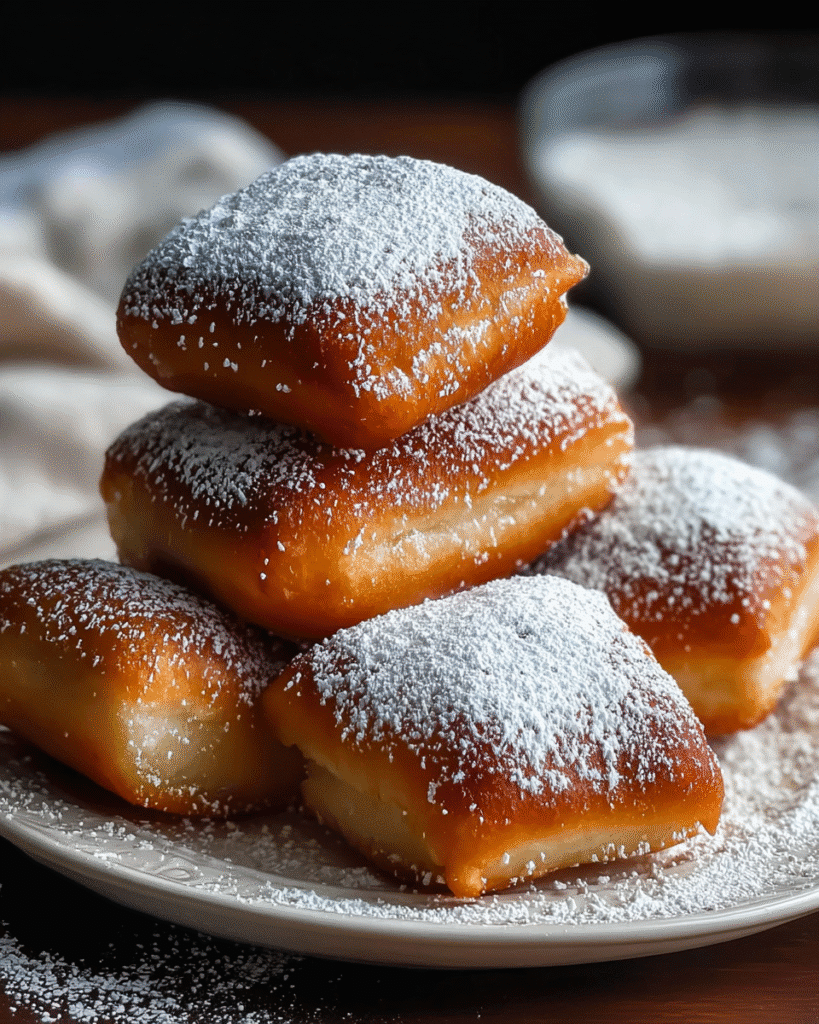
Allow beignets to cool slightly for 1-2 minutes before generously dusting with powdered sugar. For traditional New Orleans-style presentation, pile the powdered sugar high! Serve immediately for the best texture and flavor experience. Remember that beignets are best enjoyed fresh and warm.
Looking for more mouthwatering recipes? Find hundreds of delicious ideas on my Pinterest page where I share new inspiration daily!
Pro Tips for Perfect French Beignets
Avoiding Common French Beignet Mistakes
- Don’t overwork the dough – it leads to tough beignets
- Maintain oil temperature at 350°F (use a candy thermometer for accuracy)
- Fry in small batches to prevent oil temperature drops
- Roll dough to even thickness for uniform cooking
- Cut straight down with sharp cutters rather than twisting for better rising
Tools for French Beignet Success
- Digital instant-read thermometer for perfect oil temperature
- Dutch oven or heavy-bottomed pot for even heat distribution
- Slotted metal spoon or spider strainer for safe removal from hot oil
- Bench scraper for easy dough handling
- Fine-mesh sieve for elegant powdered sugar application
Storage & Reheating French Beignets
Beignets are best enjoyed fresh, but you can store cooled beignets in an airtight container at room temperature for up to 24 hours. Reheat in a 350°F oven for 5 minutes to restore crispness. For longer storage, freeze the cut, unfried dough on a baking sheet, then transfer to freezer bags for up to 1 month. Thaw in refrigerator overnight before frying.
Flavor Variations for French Beignets
Chocolate-Filled French Beignets
Create a decadent treat by placing a small square of high-quality chocolate in the center of each dough square before folding over and sealing the edges. The chocolate melts during frying, creating an irresistible molten center that pairs beautifully with the traditional powdered sugar coating.
Citrus-Infused French Beignets
Add 2 tablespoons of orange, lemon, or lime zest to your dough for a refreshing twist. After frying, dust with a mixture of powdered sugar and a small amount of the corresponding citrus zest. For extra indulgence, serve with a side of citrus-infused honey or glaze.
Spiced French Beignets
Incorporate warming spices like cinnamon, nutmeg, and cardamom into your dough for a cozy flavor profile. After frying, toss in a mixture of powdered sugar and your favorite spices for a harmonious taste experience that’s perfect for fall and winter gatherings.
| Beignet Variation | Key Ingredients | Serving Suggestion | Best Occasion |
|---|---|---|---|
| Classic New Orleans | Traditional dough, powdered sugar | With café au lait | Breakfast, brunch |
| Chocolate-Filled | Dark chocolate squares | With raspberry sauce | Dessert, special occasions |
| Citrus-Infused | Orange/lemon zest | With citrus glaze | Spring gatherings |
| Spiced | Cinnamon, nutmeg, cardamom | With spiced whipped cream | Fall/winter holidays |
| Apple-Filled | Diced apples, cinnamon | With caramel sauce | Autumn celebrations |
Serving Suggestions for French Beignets
French beignets deserve thoughtful presentation to enhance the overall experience. Serve traditional beignets with a strong cup of café au lait or chicory coffee for an authentic New Orleans experience. For dessert service, create a beignet board with various dipping sauces like chocolate ganache, raspberry coulis, or caramel sauce.
For breakfast or brunch, pair with fresh fruit to balance the sweetness. When serving as a dessert course, a small scoop of vanilla bean ice cream alongside warm beignets creates a memorable temperature and texture contrast. For special occasions, try stacking beignets in a tower and dusting with colored sugar or edible glitter.
FAQs About French Beignets
Can I make French beignet dough ahead of time?
Yes! You can prepare the dough up to 24 hours in advance and store it in the refrigerator. The slow, cold rise actually develops more flavor. Just punch down the dough and let it come to room temperature for about 30 minutes before rolling and cutting.
Why are my French beignets dense instead of fluffy?
Dense beignets usually result from underproofed dough or overmixing. Ensure your yeast is active before proceeding with the recipe, and allow sufficient time for rising (dough should double in size). Also, be gentle when kneading to avoid developing too much gluten.
Can I bake French beignets instead of frying them?
While traditional beignets are fried, you can bake them at 400°F for 10-12 minutes for a lighter version. They won’t have the same authentic texture but still taste delicious. Brush with melted butter before baking and immediately after for added richness.
How do I know when the oil is the right temperature?
The ideal temperature is 350°F. Without a thermometer, drop a small piece of dough into the oil it should bubble around the edges and rise to the surface within a few seconds. If it browns immediately, the oil is too hot; if it sits at the bottom, the oil is too cool.
Conclusion
French beignets are more than just fried dough they’re little pillows of joy that transform ordinary moments into special occasions. Whether you’re recreating New Orleans magic in your kitchen or putting your own creative spin on these versatile treats, beignets are sure to delight everyone at your table.
Now that you’ve mastered these five irresistible French beignet recipes, it’s time to heat up that oil and start creating your own powdered sugar memories! Share your beignet creations with me on social media I love seeing how you bring these recipes to life in your kitchen.
Ready to keep baking? Explore more of my favorite dessert recipes that are guaranteed to impress your family and friends!
PrintFrench Beignets: 5 Irresistible Recipes to Sweeten Your Day
- Total Time: 1 hr 45 mins (including rising time)
- Yield: 20 beignets 1x
- Diet: Vegetarian
Description
Classic French beignets — soft, pillowy fried dough squares dusted generously with powdered sugar. A timeless treat from New Orleans cafés to Parisian patisseries, perfect with a cup of coffee or hot chocolate.
Ingredients
3/4 cup warm milk (110°F)
1/4 cup granulated sugar
2 1/4 tsp active dry yeast (1 packet)
2 large eggs
4 tbsp unsalted butter, melted
1 tsp vanilla extract
3 1/2 cups all-purpose flour
1/2 tsp salt
Vegetable oil, for frying
Powdered sugar, for dusting
Instructions
1. In a small bowl, combine warm milk, sugar, and yeast. Let sit for 5–10 minutes until frothy.
2. In a large bowl, whisk together eggs, melted butter, and vanilla. Stir in the yeast mixture.
3. Gradually add flour and salt, mixing until a soft dough forms.
4. Knead the dough on a floured surface for about 5 minutes until smooth and elastic.
5. Place dough in a greased bowl, cover, and let rise for 1–1.5 hours, or until doubled in size.
6. Punch down the dough and roll it out to about 1/4-inch thickness.
7. Cut into 2-inch squares using a sharp knife or pastry cutter.
8. Heat oil in a deep fryer or heavy pot to 350°F (175°C).
9. Fry beignets in batches for 1–2 minutes per side until golden brown.
10. Remove with a slotted spoon and drain on paper towels.
11. Dust generously with powdered sugar before serving.
Notes
Serve warm with café au lait or hot chocolate for an authentic experience.
Add a touch of lemon zest or orange extract to the dough for a citrusy twist.
Best enjoyed fresh — beignets lose their crispness after a few hours.
- Prep Time: 15 mins
- Cook Time: 20 mins
- Category: Dessert
- Method: Fried
- Cuisine: French
Nutrition
- Serving Size: 2 beignets
- Calories: 290
- Sugar: 12g
- Sodium: 150mg
- Fat: 14g
- Saturated Fat: 5g
- Unsaturated Fat: 8g
- Trans Fat: 0g
- Carbohydrates: 35g
- Fiber: 1g
- Protein: 5g
- Cholesterol: 55mg
Keywords: french beignets, New Orleans beignets, fried dough, powdered sugar pastries, cafe beignets