
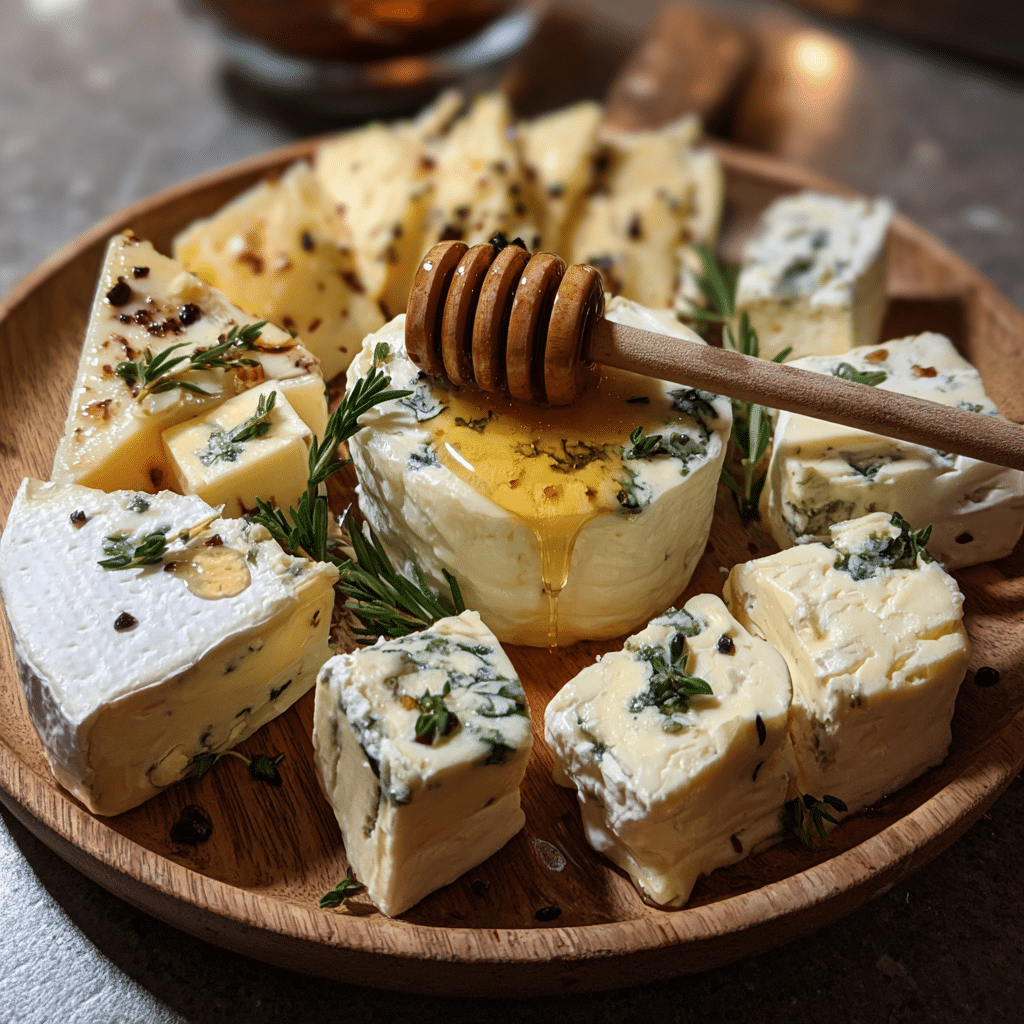
Are you tired of serving the same predictable cheese board at every gathering? Have your taste buds fallen into a dairy rut? As a passionate cheese enthusiast who has spent years exploring the nuanced world of artisanal cheeses, I’ve discovered that a carefully curated cheese course can completely transform your dining experience. This collection of seven extraordinary cheese flavors will take your palate on a sensory journey unlike any other, elevating your entertaining game and introducing you to new dimensions of flavor.
Hi, I’m Michael, the heart behind Foodydish! My love affair with cheese began during a culinary tour through rural France, where I learned that a proper cheese course isn’t just food—it’s an experience that creates moments of pure joy around the table. Whether you’re hosting an elegant dinner party or simply treating yourself to a special evening, these seven carefully selected cheese varieties will help you create memorable moments with those you love. Let’s embark on this flavorful adventure together!
In this guide, I’ll walk you through selecting the perfect cheeses, pairing suggestions, presentation tips, and even some unexpected flavor combinations that will surprise and delight your guests. By the end, you’ll be equipped to create a cheese course worthy of the finest restaurants.
Why This Cheese Course Works
- Uses accessible yet impressive cheese varieties that won’t break the bank
- Provides a balanced progression from mild to bold flavors
- Perfect for both casual gatherings and sophisticated dinner parties
- Accommodates various taste preferences, ensuring something for everyone
- Creates a memorable tasting experience that encourages conversation
Choosing the Right Cheeses for Your Course
Best Varieties for a Complete Cheese Course
The perfect cheese course offers contrast and balance. For a well-rounded experience, include:
- A soft-ripened cheese (like Brie or Camembert)
- An aged hard cheese (such as Parmigiano-Reggiano or aged Gouda)
- A blue cheese (Roquefort or Gorgonzola)
- A fresh cheese (chèvre or mozzarella)
- A washed-rind variety (Taleggio or Époisses)
Buying Tips
Look for cheeses at their peak ripeness. Ask your cheesemonger when each selection was cut and how long it will remain at optimal flavor. Quality cheese should smell inviting—even the strongest varieties should have complex aromas rather than simply smelling “bad.”
Substitutions
Don’t worry if you can’t find exact varieties. The cheese world offers many alternatives:
- Can’t find Époisses? Try Saint-Albray or Reblochon
- No Manchego available? Substitute Pecorino or aged Asiago
- Missing a good chèvre? Fresh ricotta with herbs can work beautifully
Cheese Course Ingredients & Prep
Cheese Course Essentials
Always bring cheeses to room temperature before serving (30-60 minutes). This allows their full flavors and aromas to develop fully.
Accompaniments for Cheese Course
- Fresh and dried fruits (figs, grapes, apricots)
- Nuts (walnuts, almonds, pecans)
- Honey or fruit preserves
- Artisanal crackers and bread varieties
- Fresh herbs for garnish
Pantry Staples
Keep these items on hand to elevate any cheese course:
- High-quality olive oil for drizzling
- Flaky sea salt
- Fresh cracked pepper
- Aged balsamic vinegar or reduction
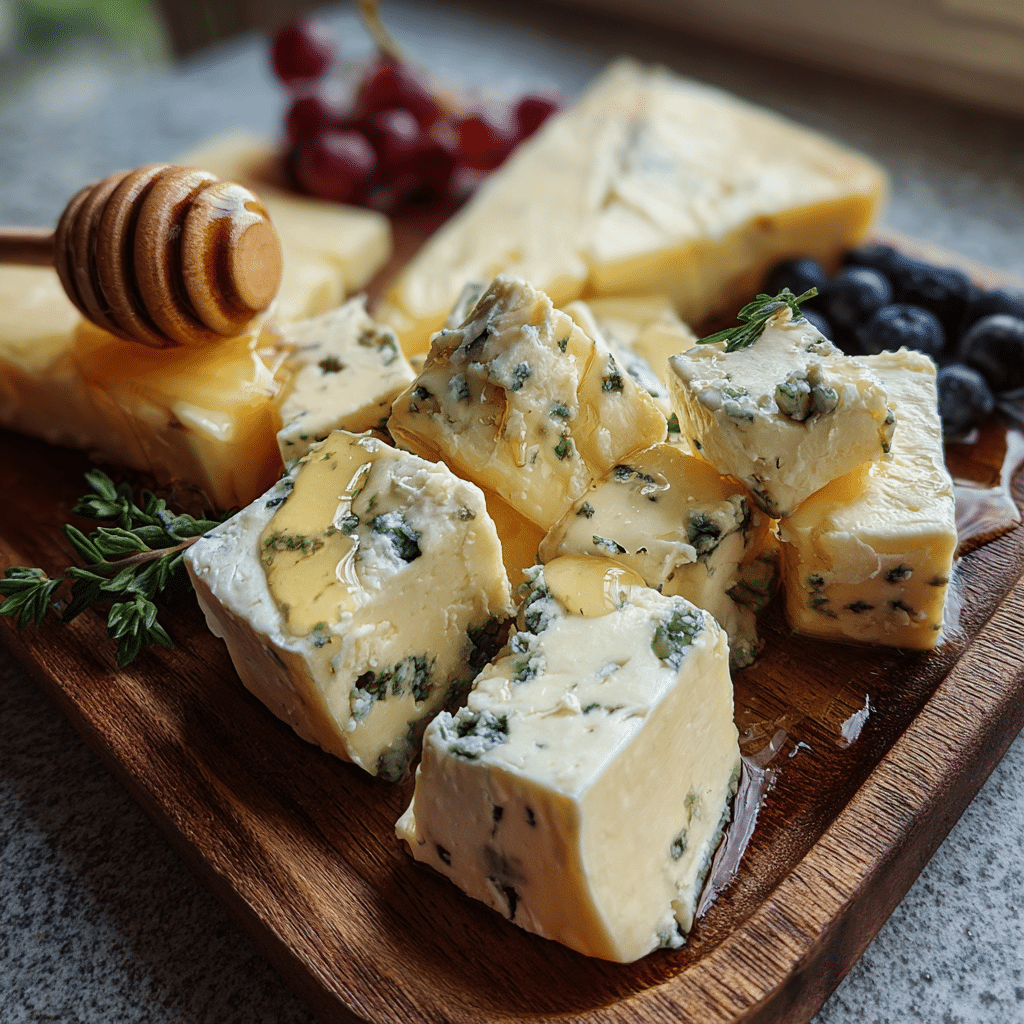
Step-by-Step Cheese Course Instructions
Pre-Serving Cheese Course Prep
- Remove cheeses from refrigeration 30-60 minutes before serving
- Arrange on a wooden board, marble slab, or slate plate
- Separate strong-smelling cheeses to prevent flavor transfer
- Provide a separate knife for each cheese to avoid mixing flavors
Cheese Course Presentation Method
- Arrange cheeses in a clockwise direction from mildest to strongest
- Place accompaniments in small bowls or scattered artfully around the board
- Label unfamiliar cheeses with small tags for guests
- Consider height variation using raised platforms for visual interest
Serving Temperature Check
Different cheese styles have ideal serving temperatures:
- Fresh and soft cheeses: 59°F (15°C)
- Semi-soft and semi-hard: 64°F (18°C)
- Aged hard cheeses: 70°F (21°C)
Resting Your Cheese Course
Allow the assembled board to sit for 10 minutes after arrangement to let aromas develop and flavors mingle. This brief resting period creates a more cohesive tasting experience.
Pro Tips for Perfect Cheese Course
Avoiding Common Cheese Course Mistakes
- Don’t overwhelm with too many varieties (5-7 is ideal)
- Never serve cold cheese flavors are muted at refrigerator temperatures
- Avoid pre-cutting all cheese this causes rapid drying
- Don’t surround cheese with overpowering accompaniments that mask their flavors
Tool Recommendations
- Cheese wires for soft varieties
- Sharp cheese knives appropriate for each type
- Slate or wood serving boards that don’t impart flavors
- Small serving spoons for accompaniments
Storage & Freshness
Store leftover cheese by wrapping in specialized cheese paper or parchment paper, then loosely in plastic wrap. Most cheeses will maintain quality for several days when properly stored.
Looking for more delicious inspiration? Check out my Pinterest page where I share stunning cheese board arrangements and creative serving ideas!
Cheese Course Flavor Variations
Bold Flavor Additions
- Drizzle blue cheese with truffle honey
- Sprinkle aged Gouda with espresso grounds
- Top fresh chèvre with pink peppercorns and lemon zest
Dietary Adaptations
- Plant-based alternatives: Cultured cashew cheeses provide complex flavors
- Lactose-sensitive options: Aged hard cheeses contain minimal lactose
- Low-sodium choices: Fresh cheeses like ricotta or farmer’s cheese
Global Cheese Course Inspirations
- Spanish: Manchego, Idiazábal, Mahón with quince paste
- Italian: Parmigiano-Reggiano, Gorgonzola, Taleggio with balsamic glaze
- French: Camembert, Comté, Roquefort with fruit preserves
| Cheese Type | Flavor Profile | Best Pairings | Wine Match |
|---|---|---|---|
| Fresh Chèvre | Tangy, bright, creamy | Honey, herbs, citrus | Sauvignon Blanc |
| Aged Cheddar | Sharp, nutty, complex | Apple slices, chutney | Cabernet Sauvignon |
| Blue Gorgonzola | Bold, spicy, pungent | Pears, walnuts, honey | Port or Sauternes |
| Triple-Cream Brie | Buttery, mushroomy, rich | Berries, crusty bread | Champagne |
| Aged Gouda | Caramel, crystalline, savory | Fig jam, dark chocolate | Amber Ale |
| Manchego | Grassy, slightly briny, firm | Quince paste, Marcona almonds | Tempranillo |
| Washed-Rind Taleggio | Funky, earthy, creamy | Dried apricots, hazelnuts | Pinot Noir |
Serving Suggestions for Your Cheese Course
- Present between main course and dessert in traditional European style
- Offer as an appetizer course with crisp white wines
- Create a standalone cheese-focused gathering with various beverage pairings
- For casual settings, incorporate as part of a grazing table
After enjoying this wonderful cheese course, consider trying my Cinnamon Plum Crumble as a perfect dessert finale!
Cheese Course FAQs
How much cheese should I serve per person?
For a dedicated cheese course, plan on 1.5-2 ounces per cheese variety per person. If it’s the main attraction, increase to 4-5 ounces per person total.
Can I prepare my cheese board ahead of time?
You can arrange the board up to 2 hours ahead but cover with a dome or damp cloth to prevent drying. Add crackers just before serving to maintain crispness.
What’s the best order to taste cheeses?
Start with mild, fresh varieties and move toward more intense flavors. This prevents stronger cheeses from overwhelming your palate’s ability to appreciate subtle notes in milder options.
How do I know when a cheese is past its prime?
While some molds are normal, ammonia smells, slimy textures, or unusual discoloration indicates a cheese should be discarded. Trust your senses!
Conclusion
Crafting the perfect cheese course isn’t just about selecting premium varieties—it’s about creating an experience that engages all the senses. The seven delectable flavors outlined here offer a gateway to culinary discovery that will transform ordinary gatherings into memorable occasions. With the right selection, presentation, and pairings, your cheese course will become a highlight that guests will talk about long after the meal ends.
Why not elevate your next dinner party with this exquisite cheese experience? Thousands of home entertainers have discovered that a thoughtfully curated cheese board creates natural conversation and connection around the table. For a fun holiday twist on your entertaining repertoire, check out my popular Vampire Donuts that pair wonderfully with a post-dinner cheese course!
Remember, the joy of cheese is in the exploration. Each variety tells a story of tradition, terroir, and craftsmanship all you need to do is listen with your taste buds. Let’s savor every magnificent bite, together!
Print
Cheese Course: 7 Delectable Flavors to Transform Your Palate
- Total Time: 15 minutes
- Yield: 6 servings 1x
- Diet: Vegetarian
Description
A refined and balanced Cheese Course featuring a curated selection of artisan cheeses paired with fruits, nuts, and accompaniments. Ideal as an elegant appetizer or a luxurious finale to any meal.
Ingredients
1 wedge aged cheddar
1 wheel brie or camembert
1 wedge blue cheese (such as Roquefort or Stilton)
1 wedge goat cheese or fresh chèvre
Assorted crackers and artisan bread
Seasonal fresh fruits (grapes, figs, or apple slices)
Dried fruits (apricots, dates, or cranberries)
Nuts (walnuts, almonds, or pecans)
Honey or fig jam, for serving
Instructions
1. Allow all cheeses to come to room temperature for about 30 minutes before serving.
2. Arrange cheeses on a large board or platter, spacing them by texture and flavor.
3. Add crackers and bread around the cheeses.
4. Fill gaps with fresh and dried fruits, followed by a scatter of nuts.
5. Serve honey or fig jam in small bowls alongside the cheeses.
6. Offer cheese knives and labels for each type.
7. Encourage guests to sample from mild to strong flavors for the best tasting experience.
Notes
Select a variety of textures — soft, semi-soft, hard, and blue.
Pair with wines: try Chardonnay with brie, Cabernet Sauvignon with cheddar, and Port with blue cheese.
For a themed platter, focus on one region (e.g., all French or all Italian cheeses).
Serve at room temperature for the best aroma and flavor.
- Prep Time: 15 minutes
- Cook Time: 0 minutes
- Category: Appetizer
- Method: No-Cook
- Cuisine: European
Nutrition
- Serving Size: 1 portion
- Calories: 380
- Sugar: 10g
- Sodium: 420mg
- Fat: 30g
- Saturated Fat: 18g
- Unsaturated Fat: 10g
- Trans Fat: 0g
- Carbohydrates: 14g
- Fiber: 2g
- Protein: 17g
- Cholesterol: 80mg
Keywords: cheese board, entertaining, appetizer, wine pairing, cheese platter