
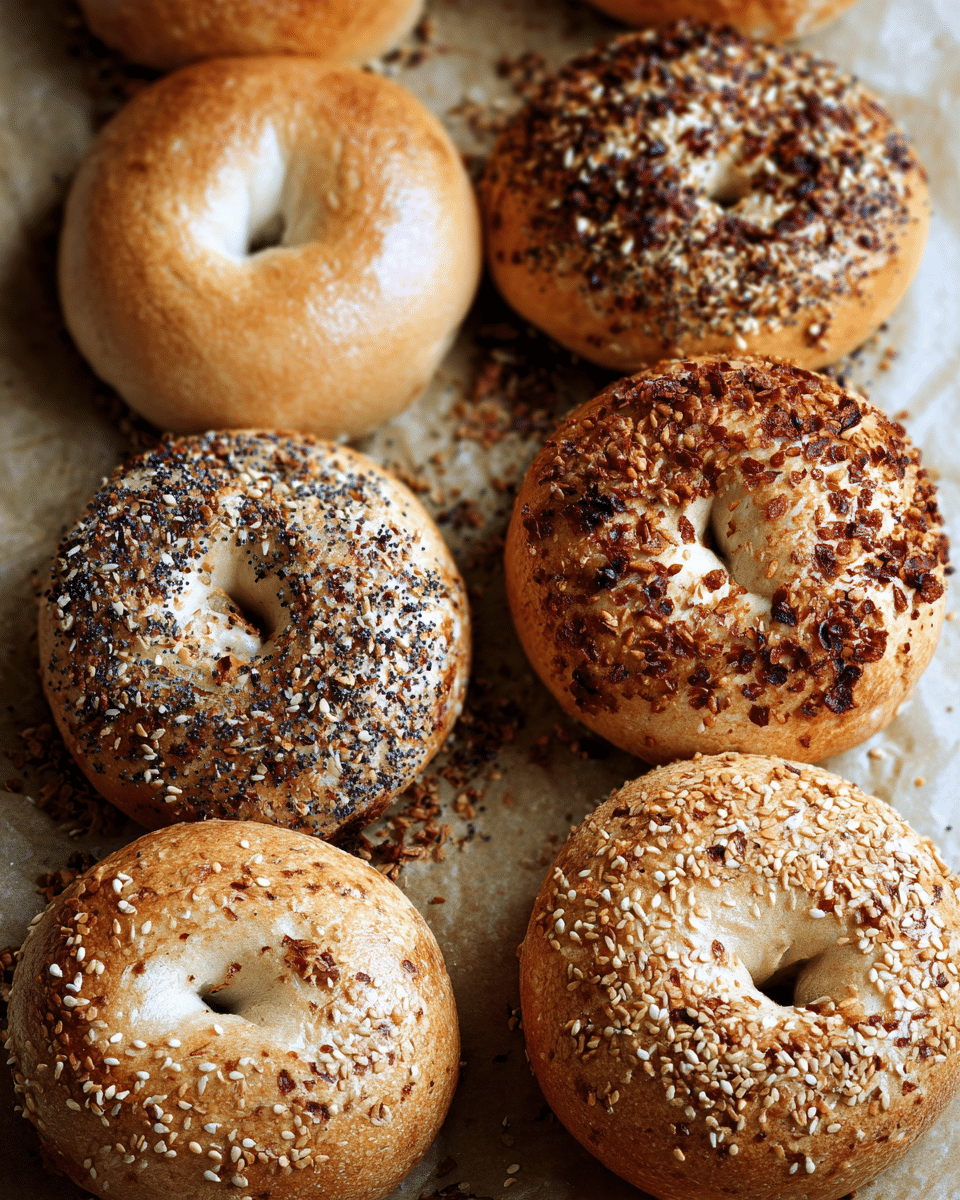
Are you tired of dense, flavorless bagels that simply don’t compare to your favorite bakery? The chewy exterior, the perfect hole, that tangy sourdough flavor achieving bakery-worthy sourdough bagels at home might seem intimidating. But I’ve got good news for you!
Hi, I’m Michael, the heart behind FoodyDish! After countless early mornings experimenting with fermentation times and shaping techniques, I’ve finally mastered the art of sourdough bagel perfection. My kitchen counter has seen its fair share of flat, misshapen attempts, but those failures led to the foolproof method I’m sharing today.
In this comprehensive guide, I’ll reveal seven game-changing secrets to creating sourdough bagels that will rival your local artisan bakery. We’ll cover everything from starter maintenance to boiling techniques, baking temperatures, and even creative topping combinations that will elevate your bagel game.
Ready to transform your breakfast routine with chewy, tangy, perfectly-textured sourdough bagels? Let’s dive in!
Why These Sourdough Bagels Work
These sourdough bagels aren’t just another recipe they’re the result of perfecting techniques that deliver consistent results every time:
- Uses an active, mature sourdough starter for exceptional flavor and texture
- Employs the perfect hydration ratio for chewy, not dense, bagels
- Features a cold fermentation period that develops complex flavors
- Includes precise shaping instructions for that iconic bagel appearance
- Incorporates the critical boiling step for authentic texture and shine
Choosing the Right Ingredients for Sourdough Bagels
Flour Selection
For truly exceptional sourdough bagels, flour choice matters significantly. High-protein bread flour (at least 12-13% protein content) creates the necessary gluten structure for that characteristic chew. While all-purpose flour can work in a pinch, bread flour produces superior results with better rise and texture.
For advanced bakers, try incorporating 10-15% whole wheat flour for additional depth of flavor, though you may need to adjust hydration slightly.
Sourdough Starter Essentials
Your starter should be at peak activity bubbly and doubled in size. For bagels specifically, a starter fed at 100% hydration (equal parts flour and water) works best. Feed your starter 8-12 hours before mixing your dough for optimal results.
If your starter isn’t quite vigorous enough, consider a few regular feedings on a 12-hour schedule before baking day. A strong starter is the foundation of exceptional bagels.
Supporting Ingredients
Beyond flour and starter, you’ll need:
- Salt: Preferably fine sea salt (2% of flour weight)
- Water: Filtered water at room temperature
- Barley malt syrup: For authentic flavor and color (can substitute honey or brown sugar)
- Baking soda: For the boiling water bath
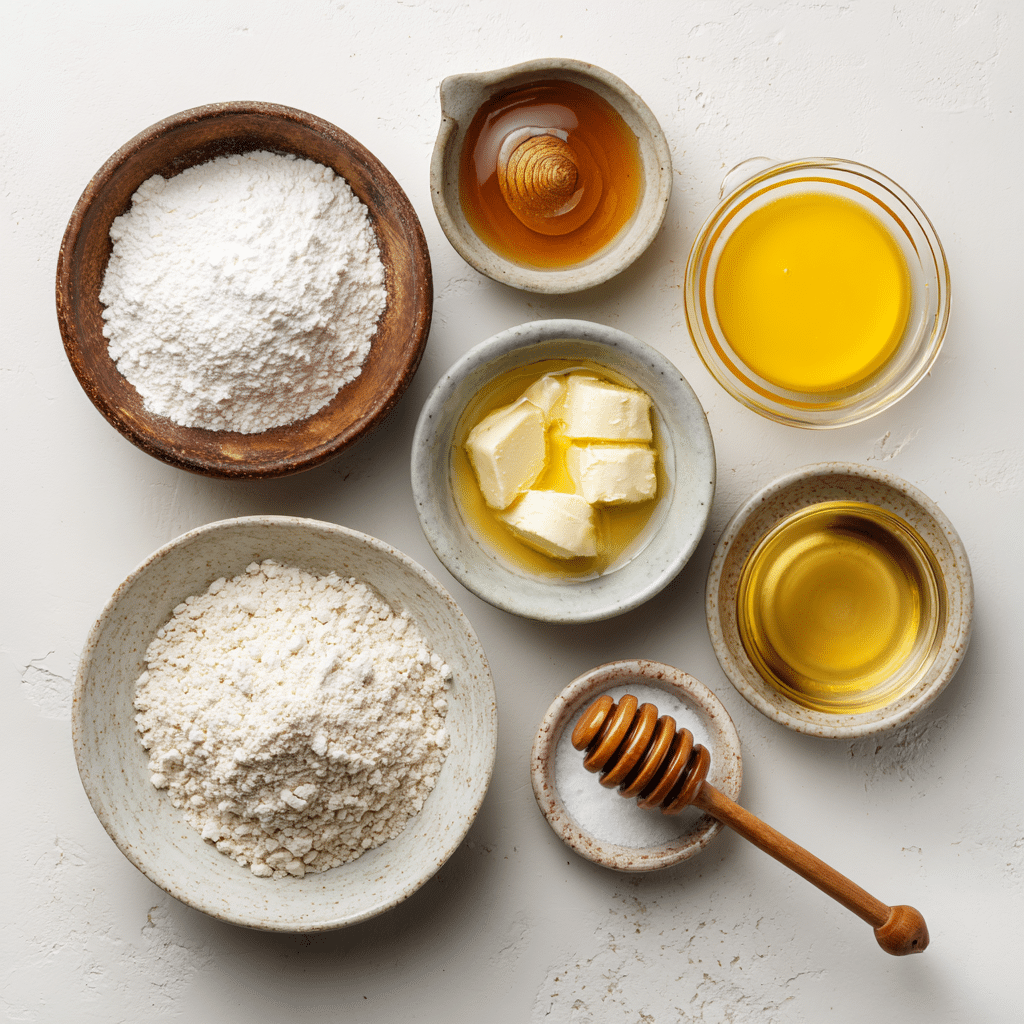
Ingredients & Prep for Sourdough Bagels
Starter Preparation
- Active sourdough starter (100% hydration) – 150g
- Feed 8-12 hours before mixing dough
Dough Ingredients
- Bread flour 500g
- Water 275g
- Active sourdough starter 150g
- Salt 10g
- Barley malt syrup 15g (plus more for water bath)
Water Bath Ingredients
- Water 3 quarts
- Baking soda 1 tablespoon
- Barley malt syrup 2 tablespoons
Step-by-Step Sourdough Bagel Instructions
Pre-Cooking Prep for Sourdough Bagels
Mix the dough: Combine water and starter in a large bowl, then add flour, salt, and barley malt syrup. Mix until no dry flour remains.
Develop gluten: After a 30-minute rest (autolyse), knead the dough for 8-10 minutes until smooth and elastic. The dough should pass the windowpane test—when stretched, it should form a thin membrane without tearing.
Bulk fermentation: Place the dough in a lightly oiled bowl, cover, and let rise at room temperature (about 75°F/24°C) for 3-4 hours, until noticeably puffy but not necessarily doubled.
Cold fermentation: Transfer the dough to the refrigerator for 8-24 hours. This critical step develops flavor and makes the dough easier to shape.
Shaping Sourdough Bagels
Divide the cold dough into 8 equal portions (approximately 115-120g each).
Form each portion into a tight ball by pulling the edges into the center and rotating the dough.
Let the balls rest, covered, for 15 minutes.
For traditional bagels, poke a hole through the center of each ball with your thumb, then gently stretch to form a 2.5-inch diameter hole (it will shrink during proofing).
Alternatively, use the rope method: roll each portion into an 8-inch rope, wrap it around your hand with overlapping ends, then roll the seam on the counter to seal.
Place shaped bagels on parchment-lined baking sheets, cover, and proof at room temperature for 1-2 hours.
Boiling and Baking Sourdough Bagels
Preheat your oven to 450°F (230°C) with a baking stone or inverted baking sheet inside.
Prepare the water bath by bringing water to a boil, then adding baking soda and barley malt syrup.
Test if bagels are ready by placing one in cold water—it should float within 10 seconds
Boil bagels 30 seconds per side (longer for chewier crust).
If using toppings, apply them immediately after boiling while the surface is still wet.
Transfer to a parchment-lined baking sheet with cornmeal or semolina.
Bake for 18-22 minutes until golden brown, rotating halfway through for even coloring.
Cooling Sourdough Bagels
Allow bagels to cool on a wire rack for at least 30 minutes before cutting. This step allows the crumb structure to set and completes the baking process.
Pro Tips for Perfect Sourdough Bagels
Achieving the Perfect Sourdough Bagel Texture
Hydration matters: Maintain approximately 55-60% hydration for authentic bagels. Higher hydration creates softer bagels, while lower makes them chewier.
Extended cold fermentation: For exceptional flavor development, try extending the refrigeration period to 24-36 hours.
Steam boost: Place a shallow pan with hot water on the bottom rack of your oven during baking for better oven spring and crust development.
Tools for Sourdough Bagel Success
- Kitchen scale: Precision in measurements makes a significant difference
- Baking stone or steel: Creates superior bottom crust
- Wide, shallow pot: For comfortable boiling
- Spider strainer: For safely retrieving bagels from boiling water
- Dough scraper: Helps with dividing and handling dough
Storage & Reheating
- Fresh sourdough bagels stay good at room temperature in a paper bag for 1-2 days.
- For longer storage, slice and freeze in airtight containers for up to 3 months.
- Reheat frozen bagels directly in a toaster or thaw overnight before toasting.
Looking for more sourdough inspiration? Check out my Pinterest board for stunning bagel creation ideas that will take your breakfast to the next level!
Flavor Variations for Sourdough Bagels
Traditional Favorites
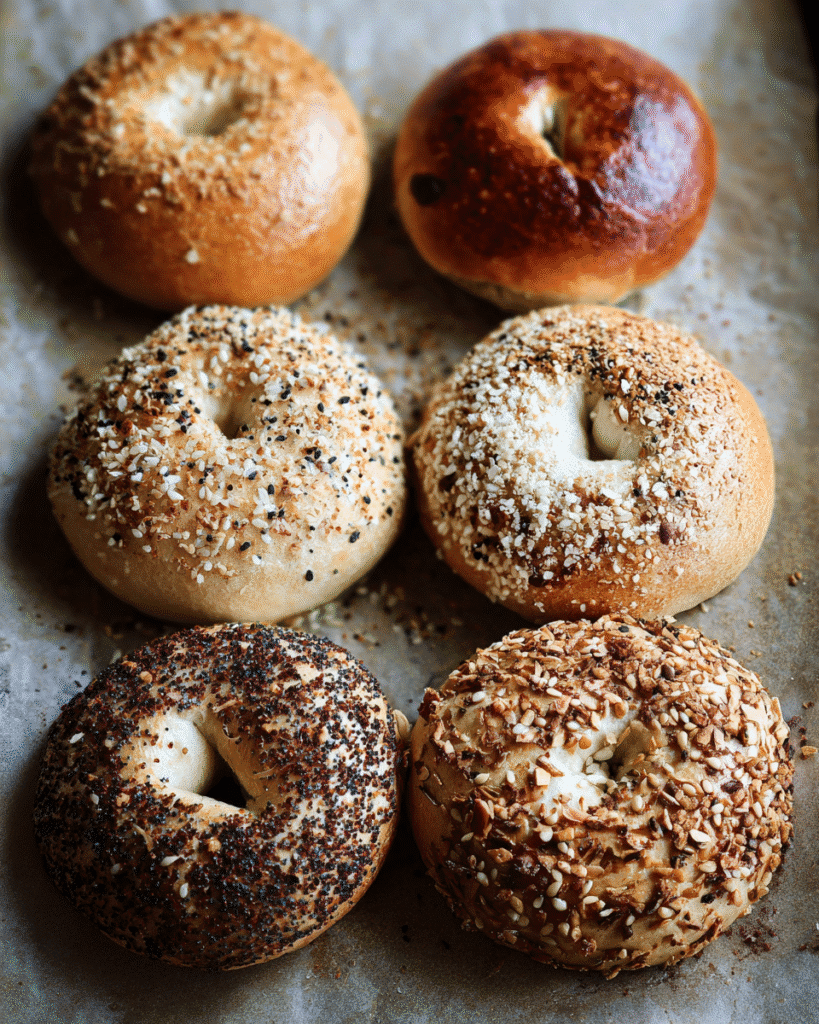
- Everything Bagel: Mix equal parts poppy seeds, sesame seeds, dried minced garlic, dried minced onion, and coarse salt.
- Cinnamon Raisin: Add 1 tablespoon cinnamon and 3/4 cup soaked, drained raisins to the dough during initial mixing.
- Sesame Seed: Sprinkle generously with toasted sesame seeds after boiling.
Innovative Combinations
- Rosemary Sea Salt: Press fresh rosemary into the tops and sprinkle with flaky sea salt.
- Jalapeño Cheddar: Mix 1/2 cup shredded cheddar and 2 tablespoons minced jalapeños into the dough.
- Turmeric Herb: Add 2 teaspoons turmeric and 1 tablespoon dried herbs to the dough for golden color and earthy flavor.
| Bagel Variety | Key Ingredients | Best Pairings |
|---|---|---|
| Classic | Plain dough | Cream cheese, lox, capers |
| Everything | Garlic, onion, seeds | Scallion cream cheese, tomato |
| Cinnamon Raisin | Cinnamon, raisins | Butter, fruit preserves |
| Jalapeño Cheddar | Jalapeños, cheddar | Eggs, avocado |
| Rosemary Sea Salt | Fresh rosemary, sea salt | Herb butter, roasted vegetables |
Serving Suggestions for Sourdough Bagels
Classic Combinations
- The Traditional: Sliced sourdough bagel with cream cheese, lox, thinly sliced red onion, capers, and dill
- The Breakfast Stack: Toasted bagel with avocado, a fried egg, and microgreens
- The Sweet Option: Lightly toasted bagel with ricotta cheese and honey or fruit preserves
Creative Pairings
- Mediterranean Delight: Toasted bagel with hummus, cucumber, roasted red peppers, and feta
- Harvest Sandwich: Toasted bagel with apple butter, thinly sliced apples, and sharp cheddar
- Veggie Power: Open-faced bagel with herb cream cheese, radish slices, sprouts, and lemon zest
For a complete breakfast experience, serve with fresh fruit, a simple green salad, or hot coffee with frothed milk.
FAQs About Sourdough Bagels
Q: Why are my sourdough bagels dense and heavy?
A: This typically happens when the dough isn’t properly developed or when under-proofed. Ensure adequate kneading (until the dough passes the windowpane test) and allow sufficient fermentation time.
Q: Can I make sourdough bagels without barley malt syrup?
A: Yes! While barley malt syrup provides authentic flavor, you can substitute honey, brown sugar, or molasses. Each will impart a slightly different flavor profile.
Q: How do I know when my bagels are perfectly proofed before boiling?
A: Properly proofed bagels will look slightly puffy and will float in cold water within 10 seconds. If they sink, they need more proofing time.
Q: Why did my bagels deflate when boiling?
A: Over-proofed dough often deflates during boiling. Also, boiling too vigorously can cause deflation. Use a gentle simmer rather than a rolling boil.
Q: Can I prep the dough the night before and shape in the morning?
A: Absolutely! The cold fermentation period actually improves flavor development. Just bring the dough to room temperature for 30 minutes before shaping.
Conclusion
Mastering sourdough bagels is a journey worth taking. The process might seem intimidating at first, but with practice and attention to detail, you’ll soon be creating bagels that outshine anything from your local bakery.
Remember the key secrets: a vibrant starter, proper gluten development, cold fermentation for flavor, careful shaping, the essential boiling step, correct baking temperatures, and creative toppings to make them your own.
I’d love to see your sourdough bagel creations! Join thousands of home bakers who’ve transformed their breakfast routine with these techniques. Tag your photos with #FoodyDishBagels on social media so we can celebrate your success!
Happy baking!
Print
Sourdough Bagels: 7 Secrets to Bakery-Worthy Perfection
- Total Time: 9 hrs
- Yield: 8 bagels 1x
- Diet: Vegetarian
Description
Chewy, golden Sourdough Bagels made with active starter for a tangy flavor and perfectly dense crumb. Ideal for breakfast sandwiches or a classic smear of cream cheese.
Ingredients
1 cup active sourdough starter (100% hydration)
1 1/4 cups warm water
1 tablespoon sugar or honey
1 tablespoon olive oil (optional)
4 cups bread flour
1 1/2 teaspoons salt
For boiling:
2 quarts water
2 tablespoons honey or brown sugar
1 teaspoon baking soda
For topping (optional):
Everything bagel seasoning, sesame seeds, or poppy seeds
Instructions
1. In a large mixing bowl, combine active sourdough starter, warm water, and sugar. Stir to dissolve.
2. Add flour and salt; mix until a rough dough forms.
3. Knead by hand or with a dough hook for 8–10 minutes until smooth and elastic.
4. Cover and let rise at room temperature for 8–10 hours, or until nearly doubled.
5. Punch down dough and divide into 8 equal pieces. Shape each into a ball.
6. Poke a hole through the center of each ball with your thumb and gently stretch into a bagel shape.
7. Place shaped bagels on parchment-lined baking sheet. Cover and let rest for 30–45 minutes.
8. Meanwhile, bring water, honey, and baking soda to a boil in a large pot.
9. Preheat oven to 425°F (220°C).
10. Boil bagels 1–2 at a time for 30 seconds per side. Remove and place on the baking sheet.
11. Sprinkle toppings if desired.
12. Bake for 20–25 minutes, until golden brown.
13. Cool on a wire rack before slicing.
Notes
For a stronger sourdough tang, refrigerate shaped bagels overnight before boiling and baking.
Use bread flour for the best chew and structure.
Store in an airtight container for up to 3 days or freeze for up to 3 months.
Reheat in a toaster or oven before serving.
- Prep Time: 20 mins (plus 8–10 hrs rise time)
- Cook Time: 25 mins
- Category: Breakfast
- Method: Baked
- Cuisine: American
Nutrition
- Serving Size: 1 bagel
- Calories: 270
- Sugar: 2g
- Sodium: 320mg
- Fat: 2g
- Saturated Fat: 0.5g
- Unsaturated Fat: 1.5g
- Trans Fat: 0g
- Carbohydrates: 54g
- Fiber: 2g
- Protein: 9g
- Cholesterol: 0mg
Keywords: sourdough bagels, chewy bagels, homemade bagels, sourdough recipes, breakfast bread