
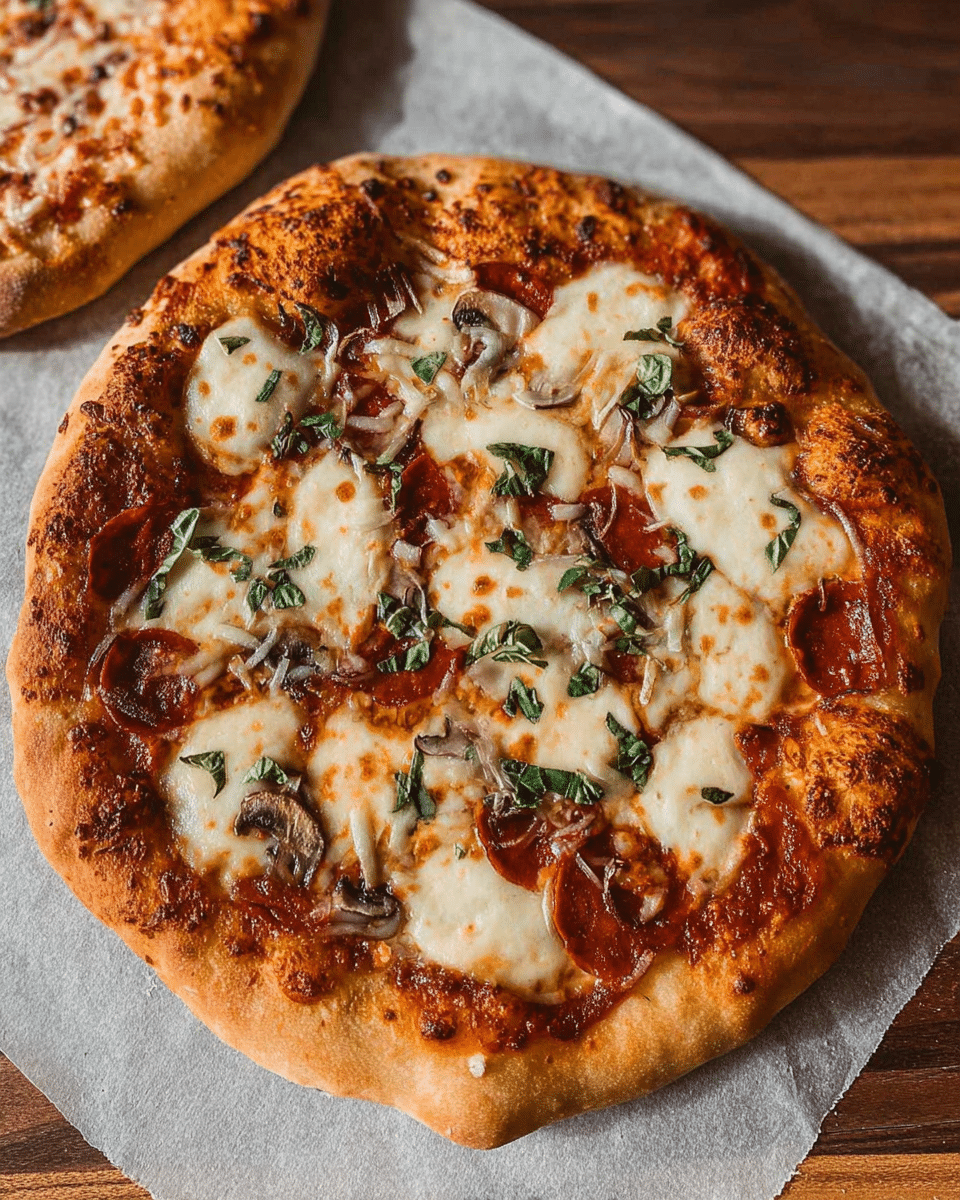
Are you tired of soggy, lifeless pizza crusts that fail to deliver that satisfying crunch? We’ve all been there spending hours on pizza night only to end up with a disappointing base that doesn’t do justice to your carefully selected toppings.
This sourdough pizza crust recipe promises the holy grail of pizza making: a perfectly crispy exterior with a tender, airy interior that will elevate your homemade pizza game to professional levels. The tangy complexity of sourdough combined with my five proven techniques creates a crust that’s truly restaurant-worthy.
As the heart behind FoodyDish, I’ve spent years perfecting this sourdough pizza crust through countless trials (and delicious errors!). My kitchen has been a laboratory for testing hydration levels, fermentation times, and baking methods to bring you a foolproof approach that works in home ovens.
In this guide, you’ll discover everything from proper sourdough starter maintenance to stretching techniques, temperature secrets, and the perfect baking setup for achieving that coveted crispy perfection. Let’s transform your pizza nights forever!
Why This Sourdough Pizza Crust Recipe Works
- Uses your existing sourdough starter – no special purchases needed
- Long fermentation develops complex flavors with minimal hands-on time
- Creates a crust with the perfect balance of crispness and chew
- Works with standard home equipment (no fancy pizza oven required!)
- Versatile base for any topping combination you crave
Choosing the Right Ingredients for Sourdough Pizza Crust
The Perfect Flour Blend
For sourdough pizza crust that achieves the ideal crispy-chewy balance, flour selection matters significantly. Bread flour with higher protein content (12-14%) provides the necessary gluten development for structure and chew. For authentic Neapolitan-style results, consider incorporating a portion of “00” Italian flour, which creates exceptional tenderness despite high baking temperatures.
Sourdough Starter Considerations
Your sourdough starter should be at peak activity bubbly and doubled in size after feeding. A mature starter contributes not only leavening power but also complex flavor development through its organic acids. For pizza crust specifically, maintain your starter at 100% hydration (equal parts flour and water) to ensure consistent results.
Salt, Water and Add-ins
Use fine sea salt at 2-2.5% of your flour weight for proper fermentation control and flavor enhancement. Water quality matters – filtered water without chlorine allows your sourdough microorganisms to thrive. Consider incorporating a small amount of olive oil (about 3% of flour weight) to improve extensibility and create a more golden crust.
Ingredients & Prep for Sourdough Pizza Crust
Sourdough Starter Preparation
Feed your sourdough starter 8-12 hours before mixing your dough. A properly matured starter should be visibly active with a pleasant, tangy aroma – this indicates it’s ready to provide maximum leavening power.
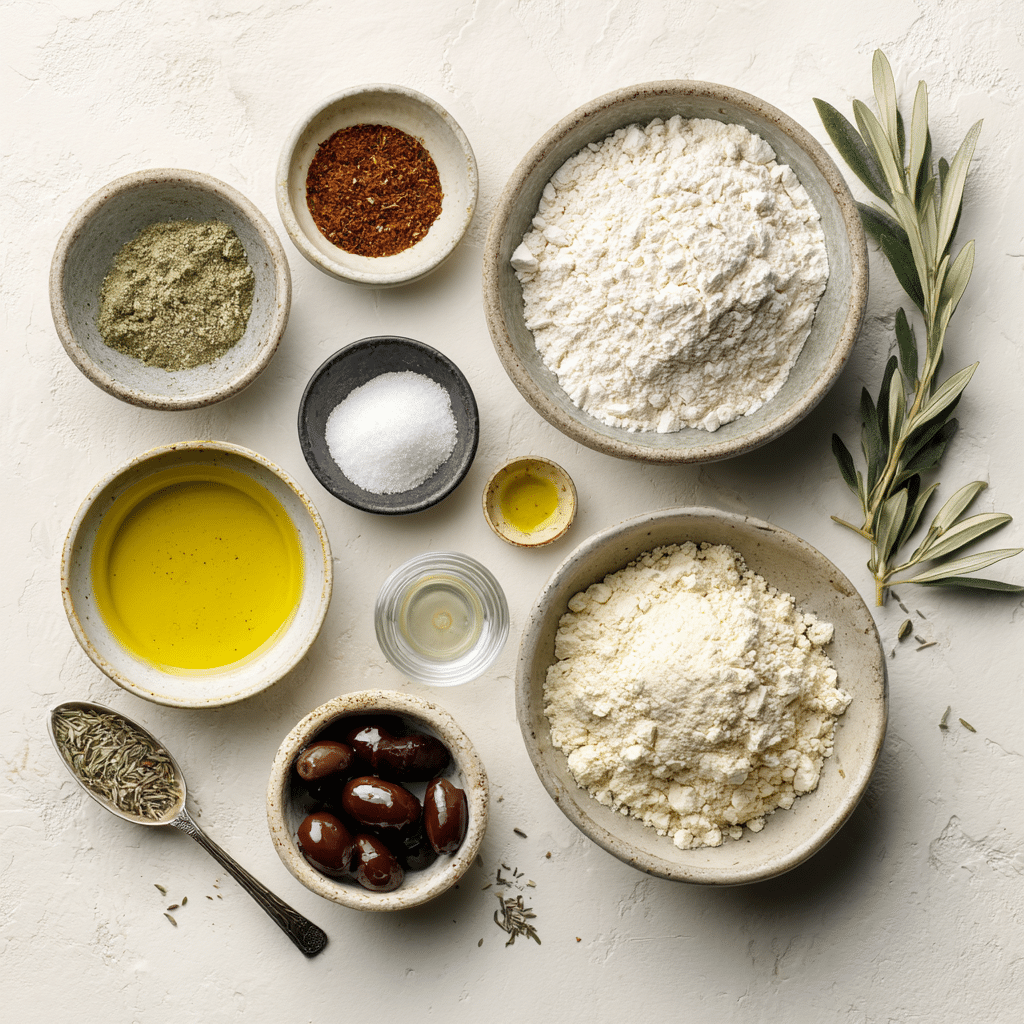
Basic Sourdough Pizza Dough Ingredients
- Active sourdough starter (100% hydration) 100g
- Bread flour 400g
- Water 260g (65% hydration)
- Sea salt 10g
- Olive oil 12g
- Optional: 1 tsp honey or malt syrup for improved browning
Flavor Enhancers
Consider incorporating these optional ingredients to elevate your crust’s flavor profile:
- Dried herbs (rosemary, oregano, basil) 1-2 tsp
- Garlic powder ½ tsp
- Freshly ground black pepper ¼ tsp
- Grated parmesan 2 tbsp (folded in during final shaping)
Step-by-Step Sourdough Pizza Crust Instructions
Pre-Fermentation Sourdough Pizza Preparation
- In a large bowl, combine active sourdough starter with water and mix until dissolved.
- Add flour and mix until no dry flour remains. Cover and let rest for 30 minutes (autolyse).
- After resting, add salt and olive oil, then knead in the bowl until the dough becomes smooth and elastic.
- Cover and allow to ferment at room temperature (68-72°F) for 4-6 hours, performing 3-4 stretch-and-folds during the first 2 hours to develop gluten structure.
Sourdough Pizza Crust Shaping Method
- Turn dough onto a lightly floured surface and divide into 2-3 portions (depending on desired pizza size).
- Shape each portion into a tight ball by pulling edges underneath.
- Place dough balls on a floured tray, cover with plastic wrap, and refrigerate for 12-24 hours for flavor development.
- Remove from refrigerator 1-2 hours before baking to warm slightly.
- On a floured surface, gently press outward from the center of each ball, maintaining an airy edge.
- Stretch by draping over your knuckles, rotating to ensure even thickness.
Sourdough Pizza Baking Technique
- Preheat your oven to its maximum temperature (ideally 500-550°F) with a pizza stone or steel for at least 45 minutes.
- Transfer your shaped dough to a floured pizza peel or parchment paper.
- Add toppings quickly to prevent dough from sticking.
- Slide pizza onto the preheated stone or steel.
- Bake for 7-10 minutes until crust is deeply golden and toppings are bubbling.
Sourdough Pizza Crust Resting
Allow pizza to rest on a cooling rack for 1-2 minutes before slicing. This brief rest period allows the structure to set, ensuring the crust maintains its crispy texture when cut.
Pro Tips for Perfect Sourdough Pizza Crust
Avoiding Soggy Sourdough Crusts
- Par-bake your crust for 2-3 minutes before adding toppings, creating a moisture barrier
- Use room-temperature toppings rather than cold ones to prevent condensation
- Apply a thin layer of olive oil to the shaped dough before adding sauce
- Drain wet ingredients like fresh mozzarella or vegetables before topping
- Use a pizza stone or steel to conduct intense heat directly to the bottom of the crust
Tool Recommendations for Sourdough Pizza
- Pizza stone or steel: Essential for achieving proper bottom heat
- Digital scale: For accurate measurements critical to sourdough success
- Bench scraper: Makes handling high-hydration dough much easier
- Pizza peel: Wooden or metal for transferring pizza to hot oven
- Dough containers: For proper fermentation and storage
Storage & Reheating Sourdough Pizza
- Store leftover dough balls in the refrigerator for up to 3 days in airtight containers
- For longer storage, freeze shaped dough balls individually wrapped for up to 3 months
- Thaw frozen dough in the refrigerator overnight before using
- Reheat leftover pizza on a preheated pizza stone at 375°F for 5-7 minutes for restored crispness
Find more amazing recipes and baking inspiration on our Pinterest page follow us for weekly sourdough tips and creative pizza topping combinations!
Flavor Variations for Sourdough Pizza Crust
Herb-Infused Sourdough Crust
Incorporate dried herbs like rosemary, thyme, or oregano directly into your dough during the mixing phase. For maximum flavor impact, crush herbs between your fingers before adding to release their essential oils.
Whole Grain Sourdough Options
Replace 20-30% of bread flour with whole wheat, spelt, or rye flour for a more rustic, nutty flavor profile. Note that whole grain additions will require slight adjustments to hydration (typically 2-5% more water).
Regional Italian Inspired Crusts
| Region | Flour Blend | Special Technique | Flavor Profile |
|---|---|---|---|
| Neapolitan | 100% “00” flour | High heat, quick bake | Light, tender, spotted char |
| Sicilian | Semolina + bread flour | Pan-baked with olive oil | Golden, crispy bottom |
| Roman | High-protein flour | Very thin stretching | Cracker-like crispness |
| Tuscan | Part whole wheat | Longer fermentation | Hearty, rustic character |
Serving Suggestions for Sourdough Pizza Crust
- Pair with a simple arugula salad dressed with lemon and olive oil for balance
- Serve alongside roasted vegetables tossed with balsamic glaze
- Create a pizza bar with various sauces, cheeses, and toppings for customization
- Complement with a board of Italian meats and cheeses for an antipasto spread
FAQs About Sourdough Pizza Crust
Can I make sourdough pizza crust without a mature starter?
Yes, but you’ll need to plan ahead. If your starter is new (less than 2 weeks old), it may lack sufficient strength and flavor complexity. Consider extending fermentation time by 25-50% to compensate. Alternatively, add ¼ teaspoon commercial yeast to supplement leavening power while your starter matures.
Why isn’t my sourdough pizza crust getting crispy?
Several factors could be preventing proper crispness: insufficient preheating of your stone/steel, too-wet dough, or overloading with toppings. Ensure your oven has preheated for at least 45 minutes, maintain proper dough hydration (60-65% for beginners), and use toppings sparingly. A lower oven rack position often helps develop better bottom crust.
Can I make sourdough pizza crust ahead of time?
Absolutely! Sourdough pizza dough actually improves with time. After bulk fermentation, shape into balls, cover, and refrigerate for 1-3 days. The cold fermentation develops superior flavor and improves structure. You can also freeze shaped dough balls for up to 3 months – just thaw in the refrigerator 24 hours before use.
Conclusion
Mastering sourdough pizza crust is truly a game-changer for home cooks. The combination of tangy depth from fermentation with that distinctive crispy-yet-chewy texture creates a pizza experience that rivals the best pizzerias. The beauty of this method lies in working with your sourdough starter’s natural rhythm – slow fermentation does most of the work for you!
I encourage you to experiment with different flours, fermentation times, and baking techniques to discover your ideal crust. Document your results and adjust with each bake. Remember that sourdough baking is part science, part art, and completely rewarding.
Join thousands of FoodyDish readers who’ve transformed their pizza nights with this sourdough method! Share your creations on social media and tag us I love seeing how you make these recipes your own. For your next baking adventure, check out our guides to artisan sourdough bread, sourdough focaccia, or our popular sourdough discard crackers!
PrintSourdough Pizza Crust: 5 Secrets to Crispy Perfection
- Total Time: 6–24 hrs (including fermentation)
- Yield: 2 medium pizzas 1x
- Diet: Vegetarian
Description
A flavorful, chewy sourdough pizza crust with a crisp edge and airy texture — the perfect way to use your sourdough starter for homemade pizza night.
Ingredients
1 cup active sourdough starter (100% hydration)
1/2 cup warm water
2 1/2 cups bread flour
1 tsp salt
1 tbsp olive oil
Optional: 1 tsp honey or sugar for a hint of sweetness
Cornmeal or semolina for dusting
Instructions
1. In a large bowl, combine sourdough starter and warm water; mix until dissolved.
2. Add bread flour and salt, then stir until a rough dough forms.
3. Knead by hand or with a mixer for 5–7 minutes until smooth and elastic.
4. Add olive oil and continue kneading until incorporated.
5. Cover the dough and let it rest at room temperature for 4–6 hours, or until doubled in size.
6. Punch down the dough and refrigerate for 12–24 hours for enhanced flavor (optional but recommended).
7. Remove from fridge and let the dough come to room temperature for about 1 hour before shaping.
8. Preheat oven with a pizza stone or steel to 475°F (245°C).
9. Shape dough into a round crust on a floured surface, transfer to a peel dusted with cornmeal.
10. Top with your favorite sauce, cheese, and toppings.
11. Bake for 10–12 minutes, until golden and crisp on the edges.
Notes
For a same-day version, skip refrigeration and let dough proof for about 6 hours total.
Use bread flour for a chewier texture or all-purpose for a softer crust.
You can freeze dough balls after the bulk fermentation for future pizza nights.
- Prep Time: 20 mins (plus fermentation time)
- Cook Time: 12 mins
- Category: Pizza
- Method: Baking
- Cuisine: Italian
Nutrition
- Serving Size: 1 slice
- Calories: 180
- Sugar: 1g
- Sodium: 230mg
- Fat: 3g
- Saturated Fat: 0.5g
- Unsaturated Fat: 2.5g
- Trans Fat: 0g
- Carbohydrates: 34g
- Fiber: 1g
- Protein: 6g
- Cholesterol: 0mg
Keywords: sourdough pizza, homemade pizza dough, artisan crust, sourdough recipes