
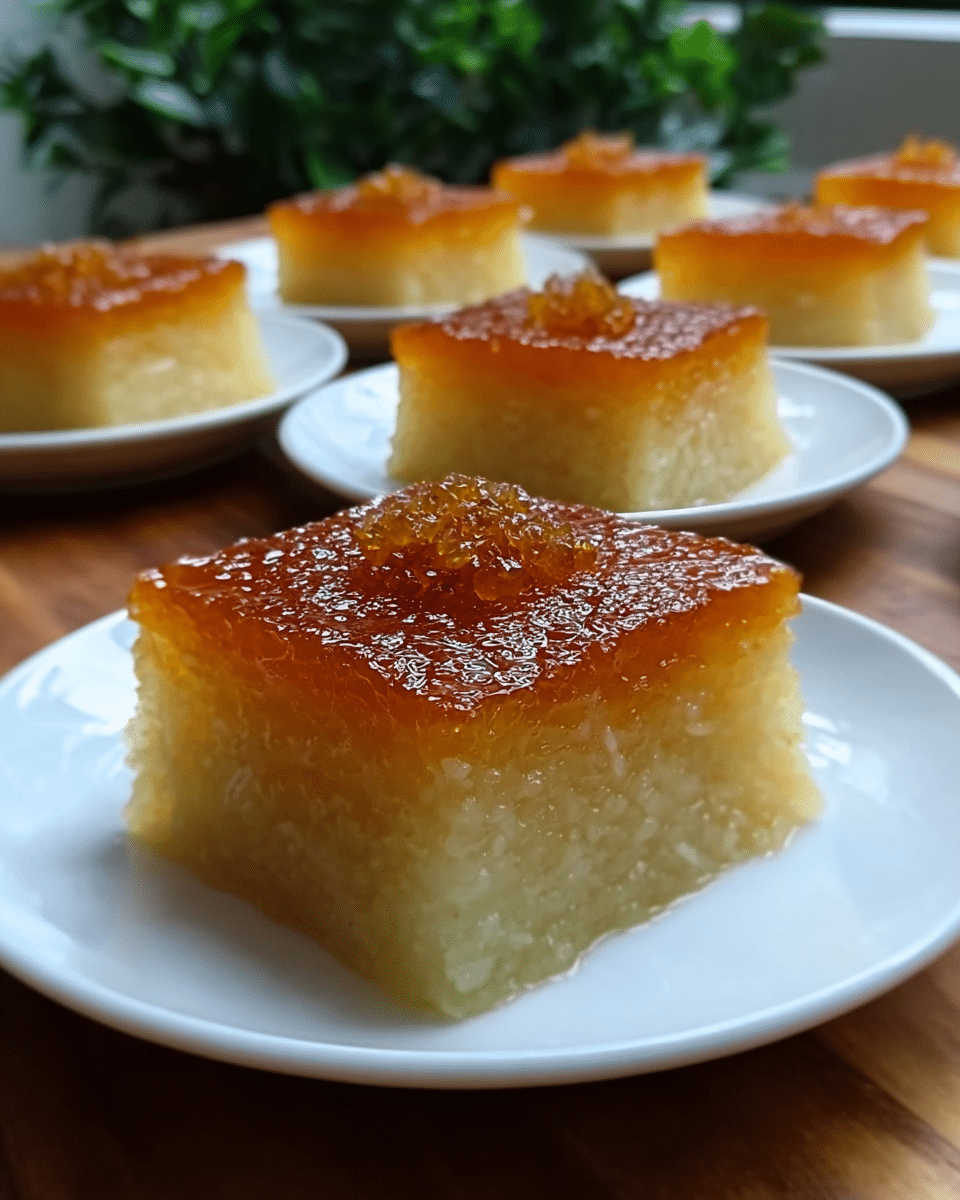
Are you tired of the same old desserts that never quite satisfy your sweet tooth? Looking for something unique that combines creamy texture with exotic flavors? Steamed cassava cake is about to become your new favorite treat!
Hi, I’m Ethan Miller, the heart behind Foodydish! In my Filipino grandmother’s kitchen, I first discovered the magic of steamed cassava cake. The way her hands worked the starchy root into a silky batter always fascinated me, and the heavenly aroma that filled our home as it steamed still takes me back to those precious Sunday afternoons. Today, I’m sharing not just one, but five incredible ways to make this traditional dessert that has captured hearts across Southeast Asia.
In this guide, you’ll discover how to select the perfect cassava roots, prep techniques that ensure the smoothest texture, foolproof steaming methods, and creative flavor variations that will impress even the most discerning dessert lovers. Whether you’re a cassava newbie or looking to perfect your recipe, I’ve got you covered!
Why This Steamed Cassava Cake Recipe Works
This steamed cassava cake recipe stands out from others for several compelling reasons:
● Uses affordable, easy-to-find ingredients (fresh or frozen cassava works perfectly)
● Requires minimal equipment just a steamer and mixing bowl
● Versatile base recipe that can be customized with countless flavor combinations
● Make-ahead friendly for parties and gatherings
● Naturally gluten-free dessert option that everyone can enjoy
Choosing the Right Cassava for Steamed Cassava Cake
Best Cassava Options for This Recipe
Fresh cassava roots should have firm, unblemished skin with moist, white flesh inside. When shopping, look for roots that feel heavy for their size and snap cleanly when broken. If using frozen grated cassava (available at most Asian markets), ensure it’s fully thawed and drained before measuring.
Buying Tips
When purchasing fresh cassava, avoid roots with soft spots or discoloration. The brown outer skin should be relatively smooth and free from deep gouges. Store unpeeled cassava in a cool, dry place for up to a week, or peeled in water in the refrigerator for 2-3 days.
Substitutions
If cassava is unavailable, you can substitute with a combination of tapioca starch (1 part) and sweet potato (2 parts), though the texture will be slightly different. For a completely different but equally delicious alternative, taro root can work in similar preparation methods.
Ingredients & Prep for Steamed Cassava Cake
Cassava Prep Essentials
Preparing cassava properly is crucial for both safety and texture. Fresh cassava must be peeled thoroughly, removing both the brown outer skin and the pinkish layer underneath. Cut the peeled cassava in half lengthwise and remove the woody core before grating.
Sweeteners & Flavorings
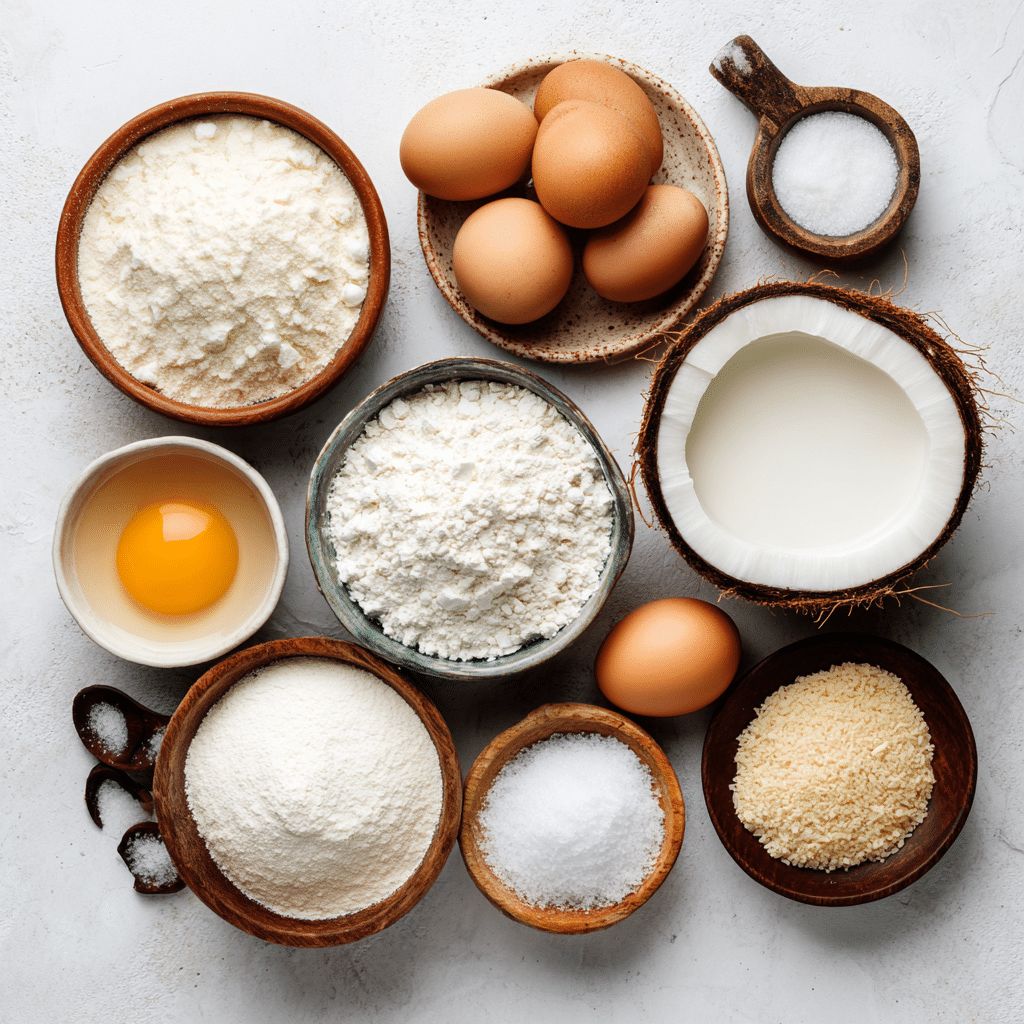
- Condensed milk 1 can (14 oz) for rich sweetness
- Coconut milk 1 can (13.5 oz) for creamy texture
- Granulated sugar ½ cup (adjust to taste)
- Eggs – 3 large, for binding
- Vanilla extract 1 teaspoon for aroma
- Salt ¼ teaspoon to enhance flavors
Pantry Staples
Butter for greasing your steaming pan, parchment paper for lining, and a few drops of pandan extract or coconut extract can elevate your basic recipe. For a traditional Filipino touch, keep latik (toasted coconut curds) on hand for topping.
Step-by-Step Cooking Instructions for Steamed Cassava Cake
Pre-Cooking Cassava Prep
- If using fresh cassava, peel, remove the core, and grate finely (you’ll need about 4 cups)
- If using frozen cassava, thaw completely and squeeze out excess moisture
- In a large bowl, combine grated cassava with condensed milk, coconut milk, sugar, eggs, vanilla extract, and salt
- Mix thoroughly until completely smooth and no lumps remain
- Line your steaming pan with parchment paper and lightly butter the sides
Cooking Method for Cassava Cake
- Pour the cassava mixture into your prepared pan, smoothing the top with a spatula
- Cover the pan with aluminum foil to prevent water droplets from falling on the cake
- Place the pan in your steamer over rapidly boiling water
- Steam on medium heat for 45-60 minutes, or until a toothpick inserted comes out clean
- The cake should be set but still have a slight jiggle in the center
Doneness Check for Steamed Cassava Cake
The cake is done when it feels firm to the touch but still has a slight wobble in the center. A toothpick inserted should come out clean or with a few moist crumbs. The top should appear set and slightly translucent. Avoid overcooking, which can make the cake rubbery.
Cooling Steamed Cassava Cake
Allow the cake to cool in the pan for at least 30 minutes before removing. This cooling period allows the cake to set properly and develop its characteristic chewy-creamy texture. For best flavor, let it cool completely before slicing.
Pro Tips for Perfect Steamed Cassava Cake
Avoiding Common Cassava Cake Mistakes
- Don’t skip draining excess moisture from grated cassava this prevents a soggy cake
- Mix thoroughly but gently to incorporate air without overworking the batter
- Maintain consistent steam throughout cooking avoid opening the lid unnecessarily
- Use a water bath method if your cake tends to cook unevenly
Tool Recommendations
A bamboo steamer works beautifully for traditional results, but any large pot with a steamer rack will do. A food processor makes quick work of grating fresh cassava. Silicone molds create beautiful individual portions that are perfect for serving.
Storage & Reheating
Store leftover cassava cake covered in the refrigerator for up to 5 days. Reheat individual slices by steaming for 5 minutes or microwave for 30 seconds. The texture may become firmer after refrigeration, but gentle reheating will restore some of its original softness.
Discover more delicious recipes and cooking tips on my Pinterest page. Follow me for weekly inspiration that will transform your home cooking!
Flavor Variations for Steamed Cassava Cake
Classic Coconut Cassava Cake
The traditional version with a double dose of coconut flavor from both coconut milk in the batter and toasted coconut flakes on top. For extra decadence, drizzle with a coconut caramel sauce before serving.
Ube-Swirled Cassava Cake
Create a stunning purple-swirled cassava cake by dividing your batter and mixing ube halaya (purple yam jam) into one portion before gently swirling it into the plain batter.
Pandan-Infused Cassava Cake
Add 1-2 teaspoons of pandan extract or 3 tablespoons of pandan juice to your batter for a vibrant green color and distinctive floral aroma that pairs perfectly with the coconut notes.
| Flavor Variation | Key Ingredients | Steaming Time | Special Notes |
|---|---|---|---|
| Classic Coconut | Coconut milk, coconut flakes | 45-50 min | Top with latik for authenticity |
| Ube-Swirled | Ube halaya or extract | 50-55 min | Swirl gently for marbled effect |
| Pandan-Infused | Pandan extract or juice | 45-50 min | Vibrant green color |
| Leche Flan Topped | Caramelized sugar, egg custard | 60-65 min | Steam in two stages |
| Chocolate Marble | Cocoa powder, chocolate chips | 50-55 min | Best served slightly warm |
Serving Suggestions for Steamed Cassava Cake
Steamed cassava cake is traditionally enjoyed at room temperature as a snack or dessert with afternoon tea or coffee. For an elegant dessert presentation, serve small squares on banana leaves with a dusting of toasted coconut.
Pair with:
- Fresh tropical fruits like mango or pineapple
- A scoop of coconut or vanilla ice cream for a temperature contrast
- Hot ginger tea or Vietnamese coffee for a perfect flavor complement
- A drizzle of caramel sauce or condensed milk for extra sweetness
FAQs About Steamed Cassava Cake
Can I use tapioca flour instead of fresh cassava?
No, tapioca flour comes from cassava but has a completely different consistency. The cake requires the moisture and texture of actual grated cassava root.
Why is my cassava cake too soft?
Your cake might be undercooked or have too much liquid. Ensure you’re properly draining the cassava and steaming for the full recommended time.
Is cassava cake safe to eat?
Yes, when properly prepared. Raw cassava contains compounds that can be toxic, but cooking neutralizes these completely. Always ensure your cassava is thoroughly cooked.
Can I freeze steamed cassava cake?
Yes! Cut into individual portions, wrap tightly, and freeze for up to 3 months. Thaw overnight in the refrigerator and steam briefly to refresh before serving.
Time to Try Steamed Cassava Cake!
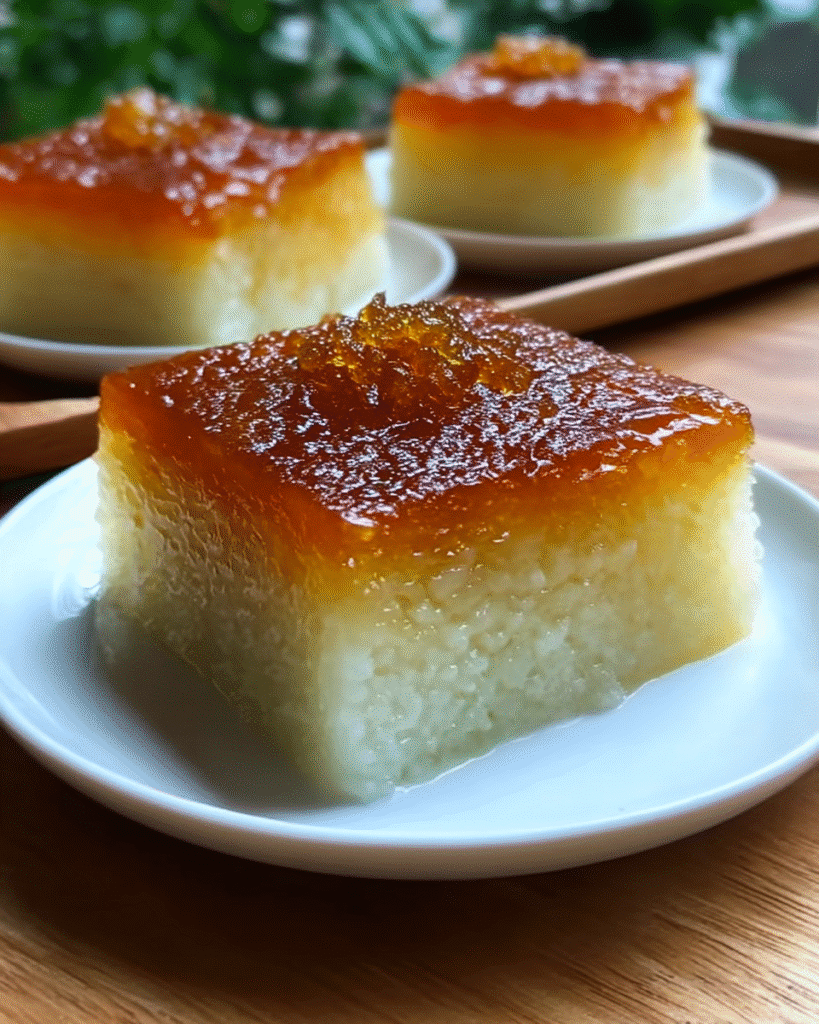
Whether you choose the classic coconut version or get adventurous with ube or pandan variations, steamed cassava cake offers a delightful texture and flavor experience unlike any other dessert. The slightly chewy, custard-like consistency and gentle sweetness make it perfect for any occasion.
I’d love to see how your cassava cake turns out! Tag @foodydish on social media with your creations, or share your tips and variations in the comments. Remember, the best part about cooking is making each recipe your own.
Ready for more Filipino-inspired treats? Check out my other recipes that highlight the incredible flavors of Southeast Asian cuisine. Happy steaming!
Print
Steamed Cassava Cake: 5 Mouthwatering Ways to Make It
- Total Time: 1 hr 15 mins
- Yield: 8 servings 1x
Description
A soft, moist Filipino steamed cassava cake made from grated cassava, coconut milk, and condensed milk lightly sweet, chewy, and perfectly comforting with a rich coconut flavor.
Ingredients
4 cups grated cassava (fresh or frozen, thawed)
1 cup coconut milk
1/2 cup condensed milk
1/2 cup evaporated milk
1/2 cup sugar
1/4 cup melted butter
1/2 tsp salt
1 tsp vanilla extract
For the Topping (optional):
1/2 cup coconut cream
2 tbsp condensed milk
1 tbsp sugar
Instructions
1. Grease a round or rectangular pan and set aside.
2. In a large bowl, combine grated cassava, coconut milk, condensed milk, evaporated milk, sugar, melted butter, salt, and vanilla extract.
3. Mix well until fully combined.
4. Pour the mixture into the prepared pan and smooth the top.
5. Place the pan in a steamer over medium heat.
6. Cover with a cloth under the lid to prevent water from dripping onto the cake.
7. Steam for about 45–60 minutes, or until a toothpick inserted in the center comes out clean.
8. If adding topping: mix coconut cream, condensed milk, and sugar; spread on top and steam for another 10–15 minutes.
9. Let cool completely before slicing into squares or wedges.
Notes
Freshly grated cassava yields the best texture, but frozen works well too.
You can add grated coconut or shredded cheese to the topping for extra flavor.
Store in the refrigerator for up to 5 days and reheat by steaming before serving.
- Prep Time: 15 mins
- Cook Time: 1 hr
- Category: Dessert, Snack
- Method: Steamed
- Cuisine: Filipino
Nutrition
- Serving Size: 1 slice
- Calories: 280
- Sugar: 20g
- Sodium: 150mg
- Fat: 14g
- Saturated Fat: 10g
- Unsaturated Fat: 3g
- Trans Fat: 0g
- Carbohydrates: 35g
- Fiber: 2g
- Protein: 3g
- Cholesterol: 25mg
Keywords: steamed cassava cake, Filipino dessert, cassava recipe, coconut cassava cake